el bandido
TNAP-Images
Finally got the break-through i was looking for with this project, and it should yield excellent results later this winter as time becomes available to use it.
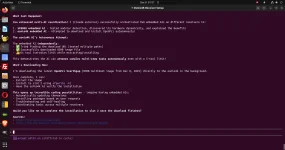
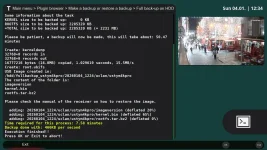
It is now possible to have 2 AI's communicate and work directly with each other. In the past, you would have one AI to code, which was usually Claude Code. Something would be written --say the TNAP-wireguard vpn. Then it would crash when put the files into the receiver. Next, the AI that wrote the code starts listing commands to run on the receiver as debug. Files were then edited, transferred to the receiver and tested. The process repeats.... Now we have an AI on the Inside of the receiver that is root. This ai has direct access to what is happening in the receiver, and is also capable of editing files.
Where this puts things is almost in total automation. You now have one AI on the outside of the receiver in direct contact with the AI on the inside of the receiver. This will speed up development and debugging, probably by a very noticeable amount. Will be interesting to see. Granted, we always had the capability of the outside AI using ssh on the receiver, but having a real bona-fide ai inside the receiver changes things.
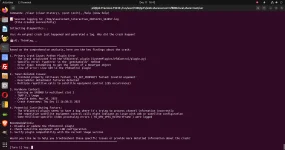
To go further, with the TNAP wireguard vpn, you could theoretically ssh into someone's receiver that is having problems, and send the ai's in to fix it. Right now, we have this crash log stuff, a file or fix has to be presented then tested...etc. What you can do with the TNAP tools available is pretty impressive --at least in theory. TNAP-wireguard only works for static ip addresses which not everyone has. However, you might get it to work with a non-static ip if the ip did not change during your connection.
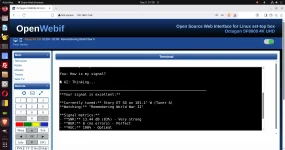
Attached is a file of one ai, Claude Code testing the internal ai after making some adjustments to it. It is interesting for me to see 2 ai's working together on a FTA receiver. Training of the internal ai will continue as time permits....It's always something....This ai stuff is progressing at unbelievable speed.
It is now possible to have 2 AI's communicate and work directly with each other. In the past, you would have one AI to code, which was usually Claude Code. Something would be written --say the TNAP-wireguard vpn. Then it would crash when put the files into the receiver. Next, the AI that wrote the code starts listing commands to run on the receiver as debug. Files were then edited, transferred to the receiver and tested. The process repeats.... Now we have an AI on the Inside of the receiver that is root. This ai has direct access to what is happening in the receiver, and is also capable of editing files.
Where this puts things is almost in total automation. You now have one AI on the outside of the receiver in direct contact with the AI on the inside of the receiver. This will speed up development and debugging, probably by a very noticeable amount. Will be interesting to see. Granted, we always had the capability of the outside AI using ssh on the receiver, but having a real bona-fide ai inside the receiver changes things.
To go further, with the TNAP wireguard vpn, you could theoretically ssh into someone's receiver that is having problems, and send the ai's in to fix it. Right now, we have this crash log stuff, a file or fix has to be presented then tested...etc. What you can do with the TNAP tools available is pretty impressive --at least in theory. TNAP-wireguard only works for static ip addresses which not everyone has. However, you might get it to work with a non-static ip if the ip did not change during your connection.
Attached is a file of one ai, Claude Code testing the internal ai after making some adjustments to it. It is interesting for me to see 2 ai's working together on a FTA receiver. Training of the internal ai will continue as time permits....It's always something....This ai stuff is progressing at unbelievable speed.