el bandido
TNAP-Images
There have been reports of 5G C band interference in the lower part of the band between 3700-3850 MHz. This portion of the band is supposed to be cleared for the United States, but these lower frequencies are still used by a lot of other countries including Mexico. I imagine that since this portion of the band has been cleared, many people automatically think any anomalies or problems with these frequencies Has To Be C band interference.
This morning I had a problem with a tv channel on 97w. The transponder for the channel is 3780 H with a symbol rate around 6522. The FEC is 5/6, and the transponder is also DVB-S2, 8psk. A quick look at the minimum db lock chart shows I need around 9.5 db to open this channel.
The fta receiver shows I have between 13 and 13.5 db for a signal, which means I should be around 3 db Above the minimum signal amount that is needed tp lock this transponder. So why am I having problems with it this morning?
Here is a screenshot the channel. The top of the picture has artifacts, so it is easy to see a problem.

The fta receiver shows a nice, solid 13-13.5 db signal for this transponder, but that number is not accurate. The fta receiver shows a smoother average of the signal, and is not accurate enough to show spikes and fluctuations of the signal like an analyzer can. What is really happening is the signal is dropping below the threshold for lock briefly, then the signal returns to a level above lock. This is why the tv picture jerks, has audio stutters, or other display problems.
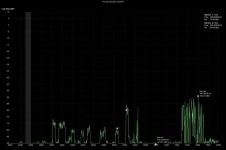
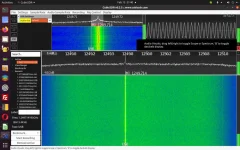
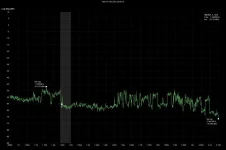
Here is a screenshot of the analyzer with the transponder frequency tagged. The signal strength shown is -49.91dbm
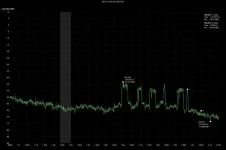
Here is another screenshot of the analyzer taken about 1 minute later. The signal strength shown is -50.91dbm
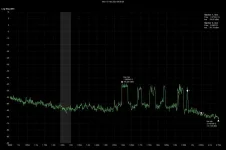
The noise floor on the fta receiver is -60dbm. Most fta tuner specs are from about -60 to -30 dbm. A few of the TBS cards may have a more generous noise floor down to about -70dbm. But FTA receivers are usually -60 to -30 dbm or thereabouts.
Using -60 as the noise floor, the first screenshot shows a signal of. So the first analyzer screenshot shows a signal about 10db above the noise floor (60−49.91= 10.09). The second analyzer screenshot shows a signal about 9db above the noise floor (60−50.91=9.09) which is below what the receiver needs to lock the transponder.
The TinySA Ultra is not some wildly accurate piece of testing equipment, but it can give good information and show WHY reception problems exist. Watching the analyzer shows the 3780 H transponder signal going up and down several times a minute. The fta receiver shows more of an average signal, and is not designed to show rapid up or down spikes in signal strength.
All that is happening here is the signal is fluctuation, which causes picture problems. Why the 3780 H signal is jumping up and down is unknown. But the analyzer shows a fairly clean signal. If the problem was 5G interference, then we could expect to see on and off signal spikes surrounding the transponder.
Most likely, the same thing would be seen if other transponders that have equal or similar problems on my satellite receiver were carefully checked. We know some users have experienced actual 5G interference in c band. But it seems now the blame for any little reception problem is 5G.
This morning I had a problem with a tv channel on 97w. The transponder for the channel is 3780 H with a symbol rate around 6522. The FEC is 5/6, and the transponder is also DVB-S2, 8psk. A quick look at the minimum db lock chart shows I need around 9.5 db to open this channel.
The fta receiver shows I have between 13 and 13.5 db for a signal, which means I should be around 3 db Above the minimum signal amount that is needed tp lock this transponder. So why am I having problems with it this morning?
Here is a screenshot the channel. The top of the picture has artifacts, so it is easy to see a problem.
The fta receiver shows a nice, solid 13-13.5 db signal for this transponder, but that number is not accurate. The fta receiver shows a smoother average of the signal, and is not accurate enough to show spikes and fluctuations of the signal like an analyzer can. What is really happening is the signal is dropping below the threshold for lock briefly, then the signal returns to a level above lock. This is why the tv picture jerks, has audio stutters, or other display problems.
Here is a screenshot of the analyzer with the transponder frequency tagged. The signal strength shown is -49.91dbm
Here is another screenshot of the analyzer taken about 1 minute later. The signal strength shown is -50.91dbm
The noise floor on the fta receiver is -60dbm. Most fta tuner specs are from about -60 to -30 dbm. A few of the TBS cards may have a more generous noise floor down to about -70dbm. But FTA receivers are usually -60 to -30 dbm or thereabouts.
Using -60 as the noise floor, the first screenshot shows a signal of. So the first analyzer screenshot shows a signal about 10db above the noise floor (60−49.91= 10.09). The second analyzer screenshot shows a signal about 9db above the noise floor (60−50.91=9.09) which is below what the receiver needs to lock the transponder.
The TinySA Ultra is not some wildly accurate piece of testing equipment, but it can give good information and show WHY reception problems exist. Watching the analyzer shows the 3780 H transponder signal going up and down several times a minute. The fta receiver shows more of an average signal, and is not designed to show rapid up or down spikes in signal strength.
All that is happening here is the signal is fluctuation, which causes picture problems. Why the 3780 H signal is jumping up and down is unknown. But the analyzer shows a fairly clean signal. If the problem was 5G interference, then we could expect to see on and off signal spikes surrounding the transponder.
Most likely, the same thing would be seen if other transponders that have equal or similar problems on my satellite receiver were carefully checked. We know some users have experienced actual 5G interference in c band. But it seems now the blame for any little reception problem is 5G.


 opcorn: