XDREAMY V 7.5
We’ve been working hard to make your experience faster, smarter, and more visually stunning. Check out what’s new:
1.  Blazing-Fast Media Engine
We’ve completely revamped the rendering system for posters, logos, backdrops, and TMDb data. Expect much faster loading, smarter handling of multiple languages, and optimized bandwidth usage to save your internet quota.
محرك وسائط فائق السرعة
قمنا بتطوير شامل لأنظمة عرض الملصقات، الشعارات، الخلفيات، وبيانات TMDb. أصبح النظام أسرع بكثير، وأكثر ذكاءً في التعامل مع اللغات المختلفة، مع تحسين استهلاك البيانات لتوفير في باقة الإنترنت لديك.
2. New Arabic Source: Elcinma
We’ve added Elcinma as a brand-new source for Arabic events and TV programs. Search just got easier—now supporting events written in Arabic script OR Romanized Arabic (Arabizi/Franco-Arabic) for ultimate flexibility.
مصدر عربي جديد: Elcinma
أضفنا موقع Elcinma كمصدر جديد للأحداث العربية والبرامج التلفزيونية. أصبح البحث أكثر مرونة الآن حيث يدعم الأحداث المكتوبة بالحروف العربية أو المكتوبة بحروف لاتينية (عربي مكتوب بإنجليزي) لتلبية احتياجات الجميع.
3. Smarter Skin & Color Handling
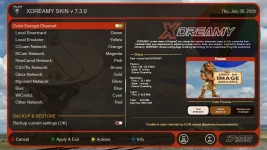
Server-side channel coloring is no longer permanent. When you switch to a different skin, the custom colors are automatically removed, and your channel names will instantly revert to the default look of your new skin.
تحكم أذكى في الألوان والواجهات (Skins)
لم تعد ألوان القنوات من جانب الخادم دائمة. عند التبديل إلى واجهة (سكين) أخرى، يتم إزالة التلوين تلقائياً، لتعود أسماء القنوات فوراً إلى الألوان الافتراضية للواجهة الجديدة دون أي تدخل منك.
4. Dynamic "Next Event" List
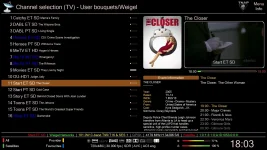
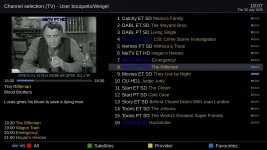
We’ve upgraded the Next Event list with full color gradient support. You can now set distinct, separate colors for the start time, end time, and event names—making your EPG cleaner and easier to read at a glance.
قائمة "الأحداث القادمة" الديناميكية
قمنا بترقية قائمة الأحداث القادمة لدعم التدرج اللوني (Gradient) وألوان منفصلة لكل من: وقت البداية، وقت النهاية، وأسماء الأحداث. هذا يجعل دليل القنوات (EPG) أكثر وضوحاً وجاذبية بصرياً.
5. ️ Internal Stability & Fixes
Numerous under-the-hood fixes and optimizations to the skin code ensure a smoother, more stable, and crash-free experience across all devices.
️ إصلاحات داخلية واستقرار محسّن
العديد من الإصلاحات والتحسينات الداخلية في كود الواجهات (Skins) لضمان تجربة أكثر سلاسة واستقراراً، وخالية من الأعطال المفاجئة على جميع الأجهزة.------
️ IMPORTANT NOTES
️ ملاحظات هامة
1. If you didn't see the new Arc system for any reason make sure to install cairo dependence via command:
opkg install python3-pycairo
1. إذا لم ترَ نظام القوس الجديد لأي سبب، فتأكد من تثبيت الاعتماديات الخاصة بـ Cairo عبر الأمر التالي:
opkg install python3-pycairo
---
How To Update
كيفية التحديث
Option 1: Online Update
الخيار 1: التحديث عبر الإنترنت
```
Menu → XDREAMY Plugin → Check for Updates
```
Option 2: Manual Install
الخيار 2: التثبيت اليدوي
```
enigma2-plugin-skins-xDreamy_7.5.0_all
```
Option 3: Fresh Install (Telnet)
الخيار 3: تثبيت نظيف (عبر Telnet)
```
wget -q "--no-check-certificate"
https://raw.githubusercontent.com/Insprion80/Skins/main/xDreamy/installer.sh -O - | /bin/sh
```
---
#XDREAMY #Version7 #SkinPlugin #Enigma2 #Satellite #Update #NewFeatures #ArabicTranslation


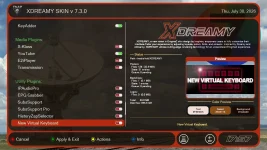
 XDREAMY Version 7.4.0
 What's New in Version 7.3.0
 New live Arc gauges for SNR, AGC, BER and volume, applied in Infobar and Secondinfobar
  Division of the giant plugin file into small files to make it faster and easy to maintain.
 Clean the installation package from useless add-ons, unused converters and Renderers.
 Fix Action Key (Yellow Button) to batch color the channels bouquet or remove the colors, which was broken in the previous version.
  Many Fixes and improvements under the hood. .
 IMPORTANT NOTES
 How To Update